
Hysteroscopy Surgery
Advanced fertility treatment providing a head start for your journey to parenthood.
Hysteroscopy Surgery
Living with the complexities of reproductive health can be difficult for women. These not only disrupt your menstrual cycle but also pose hindrances in fertility. For such women, the solution can be found with a range of tests and procedures. In the mission to tackle these problems, hysteroscopy has proven to be very effective.
For women experiencing reproductive challenges or unexplained infertility, hysteroscopy for infertility offers an advanced approach. This minimally invasive procedure has helped thousands of women across the globe solve their fertility-related problems.
Patients who are recommended hysteroscopy are often eager to know more about hysteroscopy procedures, side effects, hysteroscopy cost, and everything else. Here are all the details you need to know about this procedure.
What is a Hysteroscopy?
A hysteroscopy is a minimally invasive procedure used to reach the inside of a woman’s uterus for the purpose of diagnosis or treatment. This technique has been proven to facilitate optimum women’s reproductive health. The conditions for which hysteroscopy is recommended include – abnormal uterine bleeding, bleeding after menopause, abnormal endometrial thickening, and infertility. As more women are finding solutions for getting pregnant, hysteroscopy for infertility is gaining more popularity.
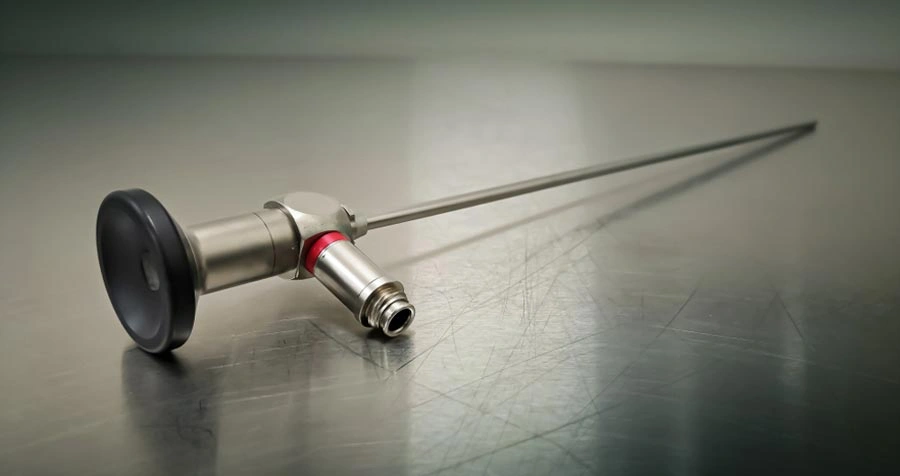
During the normal hysteroscopy procedure, a thin, lighted tube called a hysteroscope is gently inserted through the cervix into the uterine cavity. This allows the doctor to directly view the uterine lining and identify any abnormalities that may be causing the symptoms.
This advanced technique not only enhances the accuracy of diagnosis but also minimizes the need for more invasive surgeries. This explains why it is the most preferred techniques by for healthcare providers and patients.
Types of Hysteroscopy
Depending on its purpose, the hysteroscopy procedure is classified into two categories:
1. Diagnostic Hysteroscopy
Diagnostic hysteroscopy is a specialized procedure used to examine the inside of the uterus for diagnostic purposes. This hysteroscopy test helps the doctor identify any structural abnormalities. If you have had an ultrasound or hysterosalpingography (HSG), hysteroscopy also acts as a confirmatory test.
2. Operative Hysteroscopy
Operative hysteroscopy, or hysteroscopy surgery, is a procedure that allows doctors to treat abnormalities in the uterine region. Sometimes, operative hysteroscopy is done along with diagnostic hysteroscopy so that your doctor can identify and treat the condition while eliminating the need to perform a second surgery.
The Different Reasons that Indicate the Need for Hysteroscopy
Hysteroscopy is used to diagnose and treat a wide range of gynecological issues. The reasons why it is chosen include:
-
Polyps
Polyps are abnormal growths that occur on the inner wall of the uterus and also expand to the uterus. These are a very common cause of infertility in women. However, hysteroscopy polyp removal can help treat this condition.
Hysteroscopy polyp removal is an advanced and very effective surgical procedure, also known as hysteroscopy polypectomy.
-
Septums
A septum is a malformation or defect of the uterus that is present in a female from birth. To check whether you have a septum and to treat it, hysteroscopy is an excellent option.
-
Adhesions
Adhesions, or Asherman’s syndrome, are the bands of scar tissue present in the uterine area. These are known to cause changes in the menstrual flow. Adhesions also contribute to infertility in women. Through hysteroscopy, both identification and removal of adhesions are possible.
-
Fibroids
Fibroids are muscle and tissue growths developing in or on the walls of your uterus. Doctors from all over the world recommend hysteroscopy fibroid removal or hysteroscopy myomectomy.
Additional Uses
Hysteroscopy is also useful in the following ways:
- Diagnosis of the cause of infertility. (Depending on this, the doctor might recommend IMSI IVF, or PICSI.)
- Identifying the reasons for repeated miscarriages.
- Locating an IUD or intrauterine device.
- Diagnosis of and removing the placental tissue postpartum.
A Closer Look at the Hysteroscopy Procedure
Now, let us have a look at how the hysteroscopy procedure is performed.
Before the Hysteroscopy Surgery
During your initial consultation, the doctor will understand your condition. Then, if they believe that you are the right candidate for hysteroscopy, they will explain how it works. If you have any questions at this point, it is best to discuss them with your doctor.
The healthcare professional will ask you about your medical history and the medicines you take. If you are on aspirin or anticoagulants, you will have to stop the dosage before surgery. A physical and pelvic exam is also done. Depending on your condition, the doctor will recommend specific diagnostic blood tests.
Other essential things like food, water, procedure time, recovery, and post-op instructions will also be given.
Hysteroscopy Procedure Steps
Before the procedure begins, you are asked to empty your bladder. Depending on the cause and purpose of hysteroscopy, it may be performed in a specialized operating room. You will have to lie down on the exam table, and your legs will be in stirrups.
Now, the surgeon will begin the hysteroscopy procedure steps.
- The surgeon begins by performing a pelvic exam.
- Then, they will dilate your cervix. This ensures that the hysteroscope can be inserted properly.
- The hysteroscope goes from your vagina, through the cervix, and into your uterus.
- A liquid solution is then inserted using the hysteroscope in your uterus. The purpose of this solution is to expand your uterus. It also clears any mucus or blood present. Now, the surgeon will get a clear view of your uterus and fallopian tubes.
- The surgeon will use the light of the hysteroscope to inspect the uterine cavity. (This is where the procedure of diagnostic hysteroscopy ends.)
- If an operation on the condition is needed, surgical instruments will be inserted through the hysteroscope into the cavity. The doctor will use these tools to remove any abnormalities.
Post-Op
It is also important that you know all about after hysteroscopy what to expect. If you were under anesthesia for the procedure, you would be kept in the recovery room for some hours. After the procedure, you will experience minor cramping and light bleeding for some days. Sometimes, immediately after the procedure, you may feel sick and weak for some time.
Hysteroscopy: Side Effects, Common Risks, and Complications
There are numerous hysteroscopy side effects that one must know of. These include:
- Infection
- Stomach pain
- Mild nausea
- Bleeding
- Pelvic inflammatory disease
- Inflamed cervix
- Reaction to the anesthesia
- Injury
- Intrauterine scarring
- Lightheadedness or dizziness
If your bleeding gets heavier, or if you experience fever, chills, or severe pain, you must visit your doctor.
Recovery Journey After a Hysteroscopy Procedure
The recovery journey after a hysteroscopy procedure is generally simple. The recovery time will be determined by the extent of the hysteroscopy surgery. However, since this is a minimally invasive procedure, the chances of complications are very low.
When recovering from hysteroscopy (diagnostic or operative), douching and intercourse are prohibited. Swimming or taking hot tub baths should also be prevented during this phase.
Nagar IVF Centre: The Most Reliable Hysteroscopy and Fertility Center in the Country
Nagar IVF Centre has proved to be the most reliable clinic across the country for hysteroscopy. We specialize in delivering the highest standard of care for women’s reproductive health. We have state-of-the-art facilities and the most trusted medical approaches. At Nagar IVF Centre, we are committed to assuring that each technique is conducted with preciseness, whether it is Semen Freezing, egg freezing, or any other clinical service.
Whether you are searching for affordable hysteroscopy cost in Mumbai or the most reasonable hysteroscopy cost in Delhi, you will find everything at Nagar IVF Centre. We promise the highest quality of services to every patient.
There are many other ways in which our experts can help you overcome problems with your reproductive health. These include Embryo Pooling, Ovarian Rejuvenation, Single Embryo Transfer, Genetic Testing, Endometriosis, and ICSI Treatment, among many others.